You’ve done the research. You’ve attended the appointments. You feel as prepared as anyone can be. Then your first cycle starts, and it feels nothing like what you imagined.
No amount of preparation fully captures what it’s like to live it. Not because anything has gone wrong. Because the gap between reading about IVF and doing IVF is wider than anyone tells you.
The Information Is There. The Experience Isn’t.
Before a first cycle, most patients have read everything they can find. The medication protocols. The retrieval procedure. The embryo grading system. Fertility specialists explain the process in careful detail, and clinics provide written materials to take home.
Clinical information describes a process. It doesn’t describe Tuesday morning: running late for work, having just given yourself an injection, your phone reminder firing at the wrong time, unsure whether you took the right dose.
Nobody fully prepares you for that part.
What the Research Actually Shows
IVF patients experience significant psychological distress during treatment, not just around outcomes but across the whole cycle.
A 2011 study published in Human Reproduction found that anxiety and depression scores in women undergoing IVF matched those reported in patients with serious medical conditions, including cancer and cardiac disease. The emotional load isn’t incidental to the process. It runs through every part of it.
The American Society for Reproductive Medicine (ASRM) treats psychological support as a core part of fertility care, not an optional add-on. Stress affects more than how patients feel. Research suggests it affects how closely patients follow their protocols, which has direct clinical consequences.
The Hidden Complexity of Daily IVF Management
On paper, an IVF protocol looks manageable. A sequence of medications. A schedule of monitoring appointments. A set of instructions to follow.
In practice, the protocol shifts. Doses change based on your ultrasound results. Appointment times move. Instructions come through by phone while you’re at your desk, in the car, or mid-conversation with someone else.
You’re managing a medical protocol, a job, relationships, and the emotional weight of knowing what’s at stake. Missing a medication time or confusing two different drugs isn’t a failure of effort. It’s a predictable consequence of how much the system asks you to carry in your head.
Five Things First-Time Patients Often Don’t Expect
1. How quickly the schedule changes.
Your protocol responds to how your body is responding. Dose adjustments, extra monitoring scans, and shifted timelines are common. Flexibility is part of the process, not a sign something is wrong.
2. How many decisions feel medical but aren’t explained that way.
Timing your trigger shot to the minute. Knowing what to do if you miss a dose. Understanding which symptoms are expected and which warrant a call to the clinic. The responsibility to get these right sits with you.
3. How physically ordinary most of it feels.
Many patients expect every day of a cycle to feel significant. Often, it doesn’t. Bloating, mild discomfort, tiredness, then a lot of waiting. The emotional intensity rarely matches the physical experience.
4. How much you’ll need to advocate for yourself.
Clinics are busy. Not every question gets answered in a consultation. Knowing what to ask, and when to ask it, matters more than most patients anticipate before they start.
5. How hard the two-week wait actually is.
Everything before the transfer keeps you occupied. After it, there’s nothing to do. No action to take, no protocol to follow. That stillness is, for most people, the hardest stretch.
What Actually Helps
Patients who manage IVF well aren’t the ones who feel no anxiety. They’re the ones who have systems.
Externalise as much as possible. Write things down. Don’t rely on memory for medication times, dose changes, or instructions received by phone. If your clinic calls with a protocol change, repeat it back and write it down immediately.
Ask your clinic for written confirmation of any changes. Most clinics will provide this. Know whether yours uses a patient portal, email, or phone calls, and know exactly where you’ll store that information.
Build small routines around your medications. A consistent time, a consistent place. Remove the decision from the moment itself.
Give yourself permission to not be fine. First cycles are hard. Feeling overwhelmed isn’t a weakness in your preparation. It’s a reasonable response to a demanding process.
Why Structure Matters More Than You’d Think
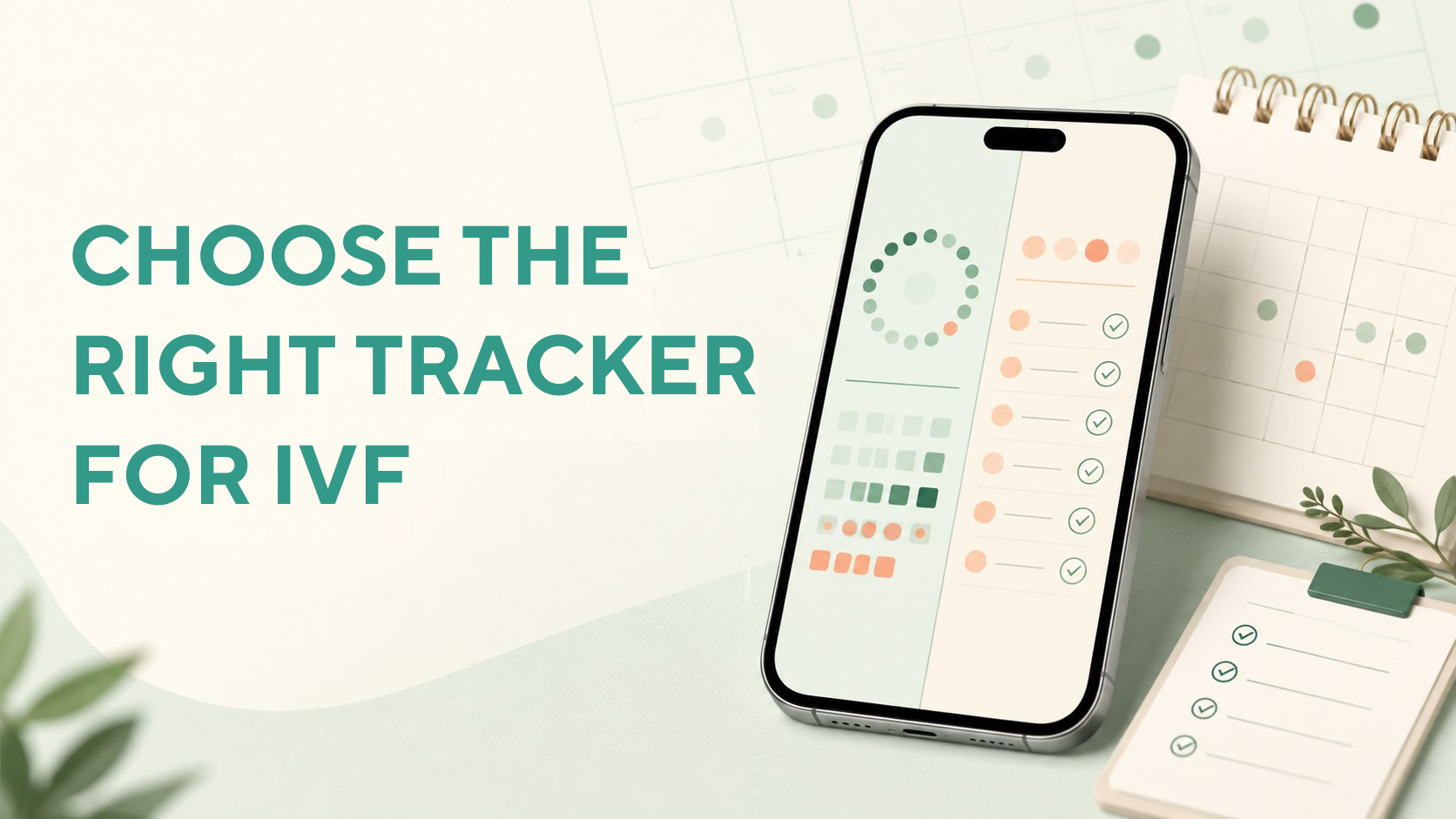
One of the reasons I built CycleGuide was this exact problem. The information exists. The support from clinic staff is real. But patients still end up carrying more in their heads than they should have to. Having your protocol, your tasks, and your reminders in one place doesn’t make IVF easy. It makes the day-to-day a little more manageable, and that’s enough to matter.
You Are Not Behind
If your first cycle feels harder than you expected, that’s not unusual. The clinical process is structured. The lived experience is messier.
You’re not doing it wrong. You’re doing something genuinely hard, with limited margin for error, in the middle of your real life. That deserves acknowledgement.
Keep going.
References
- Domar AD, et al. “The relationship between stress and infertility.” Dialogues in Clinical Neuroscience. 2010.
- Verhaak CM, et al. “Women’s emotional adjustment to IVF: a systematic review of 25 years of research.” Human Reproduction Update. 2007.
- American Society for Reproductive Medicine (ASRM). Mental Health and Fertility Treatment: Patient Fact Sheet. 2023. asrm.org
- Boivin J, Lancastle D. “Medical waiting periods: imminence, emotions and coping.” Women’s Health. 2010.
Try CycleGuide
Available now on iOS and Android in Australia and New Zealand. 1-month free trial, then AUD $8.99 per month. For clinics, contact us to discuss how CycleGuide works with your existing systems.

Reach Caroline directly at caroline@cycleguide.com.au